
The quarry faces
Whole temple-loads of stone missing from the mountain, the tool marks crisp as yesterday.
Where the great temples were cut from the cliff.
The river narrows between walls of golden sandstone — the very quarries that built Karnak and Luxor. Chisel marks still ladder the cliffs, and small shrines watch the water where the current runs fastest.
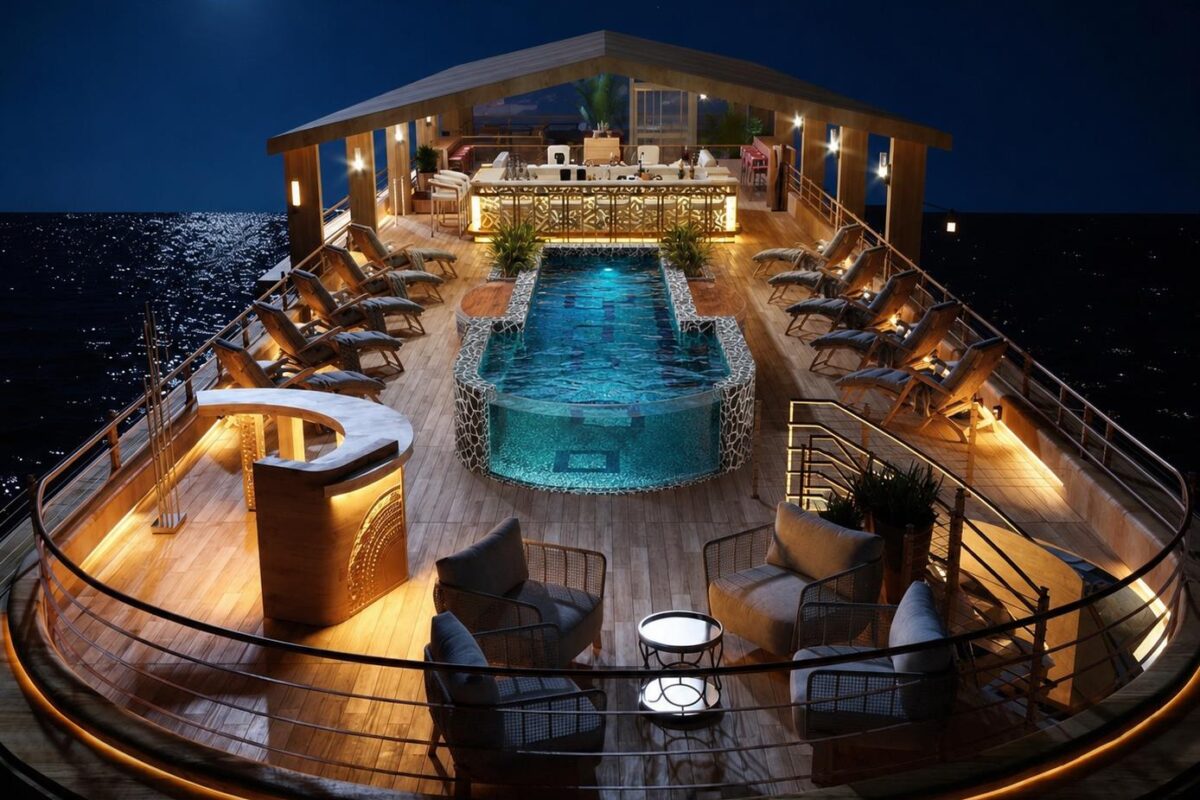
Whole temple-loads of stone missing from the mountain, the tool marks crisp as yesterday.
A rock-cut chapel at the water's edge, carved for the Nile itself.
The Nile at its tightest and deepest — sailors' shrines line the passage.
Gebel el-Silsila is the narrowest point of the Nile in Egypt, where sandstone cliffs close in on both banks and the river runs fast between them. It is also where most of the sandstone in Upper Egypt came from. Karnak, Luxor, Edfu, Kom Ombo — the stone was cut here and floated downstream, and the quarry faces still carry the marks of how it was done: the channels cut around each block, the wedge slots, blocks abandoned half-free of the rock.
Because the place supplied the temples, it was itself sacred. Rock-cut shrines line the west bank — small chapels cut by kings and officials, with stelae recording quarrying expeditions and offerings to Sobek and to Hapy, the god of the inundation. The Speos of Horemheb is the largest, a rock-cut chapel with carved pillars and reliefs of the king's Nubian campaign.
There is no town here and never was — only the cliffs, the shrines and the water. It is the quietest stop on the river and, for many guests, the one they remember, because the scale of what was taken out of these cliffs only lands when you are standing in the hole it left.
Larger cruise ships do not stop. There is no quay and nowhere to put two hundred people. A dahabiya can moor against the bank and put you ashore directly, which is the only practical way to see it.
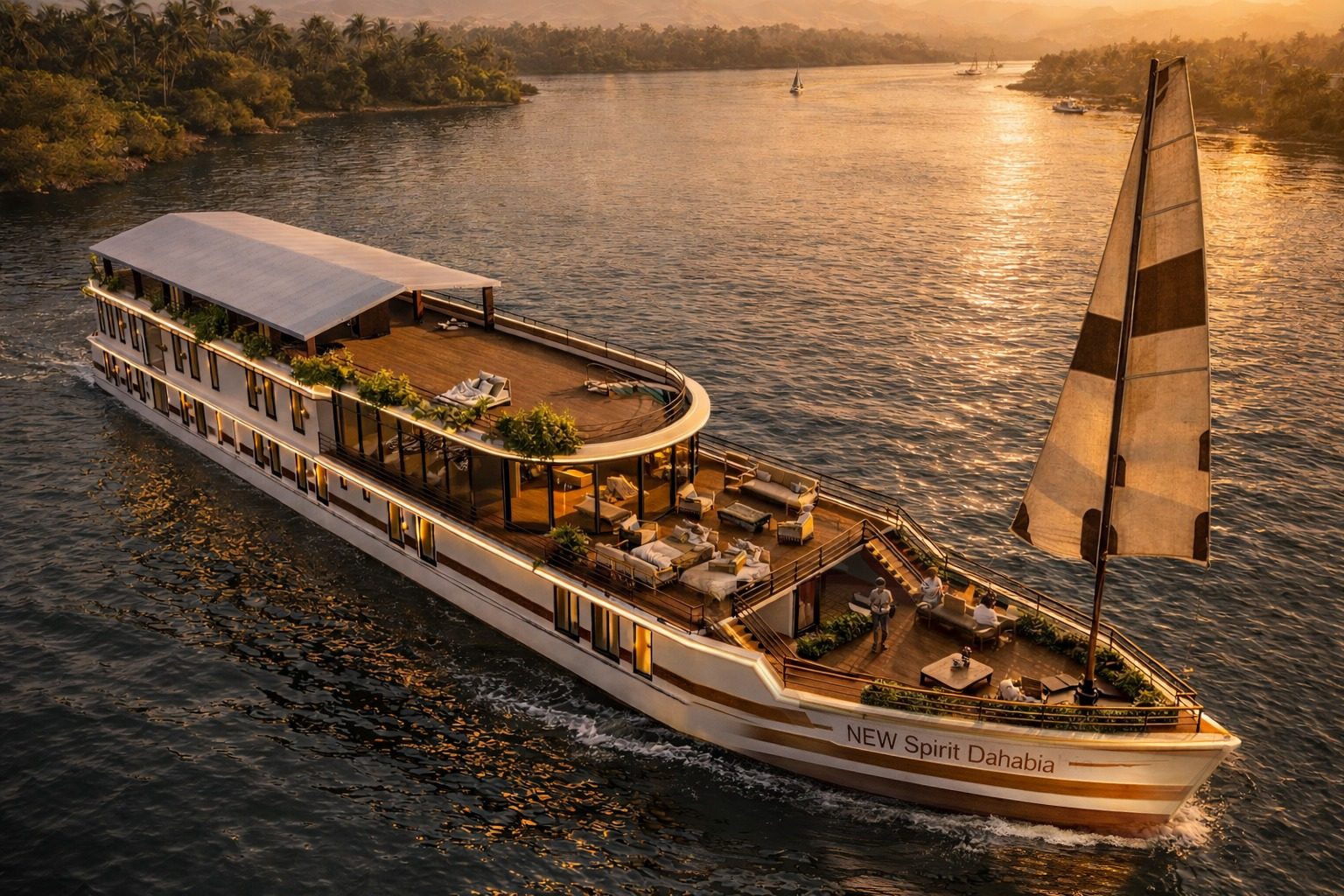
Only small boats moor here. We tie up beneath the cliffs, walk the quarry paths in the morning cool, and swim off the sandbank after.